WELCOME TO SEARCHING FOR OUR LEGACY TUBUCAST OVER THE AMERICAN REVOLUTION. STUDY HARD AND REMEMBER YOUR REVIEW IS WORTH 10 POINTS OF YOUR EXAM GRADE. SORRY FOR THE DELAY IN POSTING GOOD LUCK........
Tuesday, November 30, 2010


Sunday, November 14, 2010
This Week in Class November 15-19 Week 13 (1st Week of 3rd six weeks)

YOUR BOSTON TEA PARTY PROJECTS ARE DUE ON TUESDAY NO LATE WORK WILL BE ACCEPTED!!!!!!!!
OBJECTIVE: What are the parts of the Declaration of Independence and what does it really say?
What battles were fought in the American Revolution?
HISTORY QUESTION OF THE WEEK: What was the nickname of Mary McCauley Hays, a heroine of the American War for Independence, who took over her husband's job when he became wounded?
REMINDERS: Report cards come out this week
HOMEWORK:
Monday: None
Tuesday: None
Wednesday :None
Thursday:
BOOK COVER:
Create a book cover for one of the following: Patrick Henry's speech, Thomas Paine's "Common Sense," or the Declaration of Independence. On the front include: a) title, b) author, c) attractive visual related to basic ideas of the work. On the back include: a) who might be interested in reading this (audience) and b) a 2+ sentence summary of the work.
Tuesday, November 9, 2010
R.A.F.T Project for the Boston Tea Party Due November 16th

Raft rubric
View more documents from Hector Santiago.
Raft boston tea party
View more documents from Hector Santiago.
This Week in Class November 8-12 Week 12 (End of the 2nd 6 weeks)
- Analyze the Causes of the British Economic policies by discussing the events toward Revolution.
- Explain the Role of the militiamen and minutemen at the battles of Lexington and Concord by analyzing reenactments and pictures of the event.
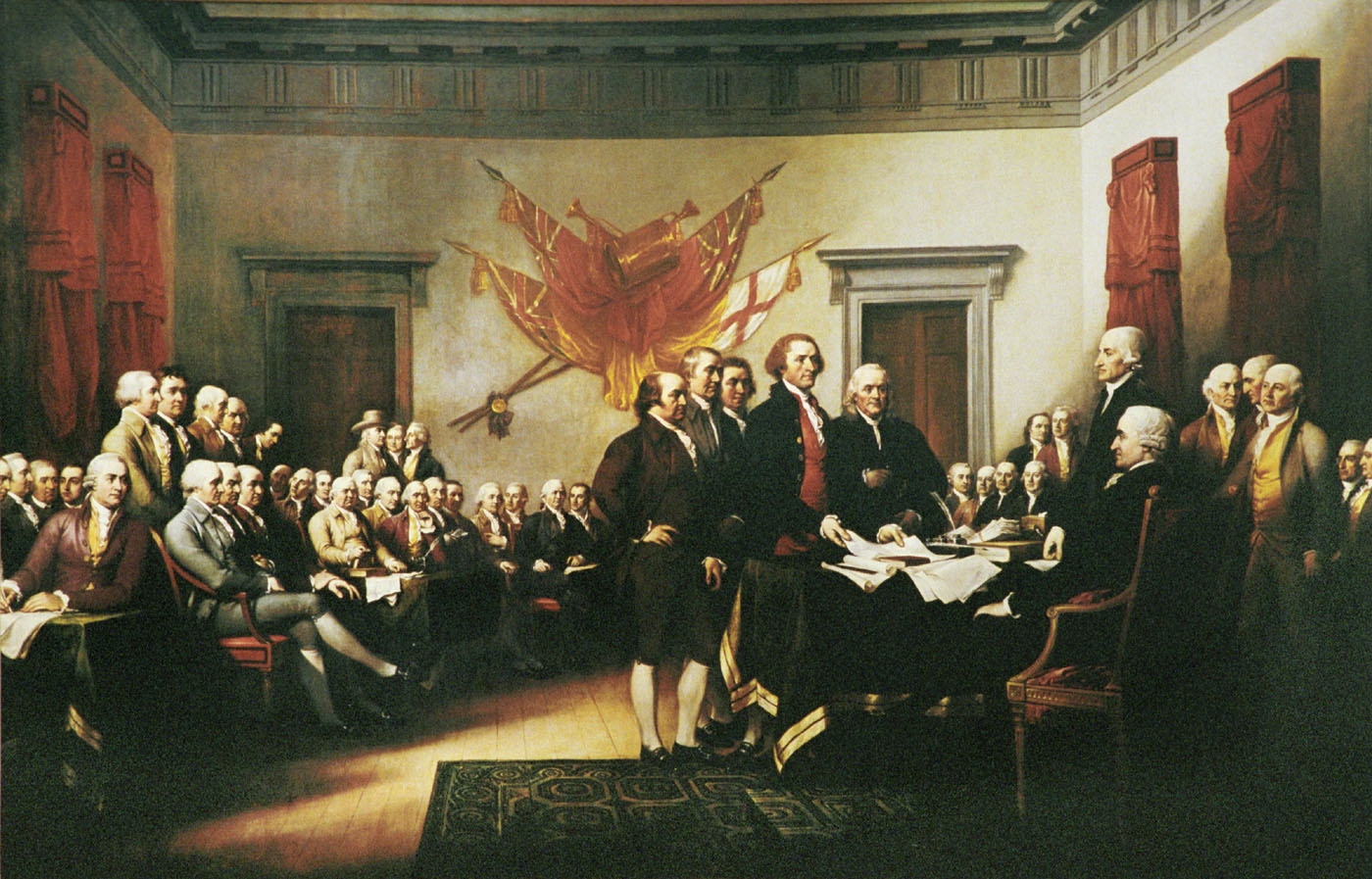
- Explain the significance of 1776 and Identify the parts of the Declaration of Independence and how it is an important document in World history.
Last Weeks Question of The Week: Who was the oldest Delegate to attend the 2nd Continental Congress? ANSWER: Benjamin Franklin
History Question of The Week: How many grievances were there against King George III in the Declaration of Independence?
Reminders:
- End of the Six weeks is Friday.
- Any retakes on Quizzes or Test must be done before Thursday at 5 pm.
- Projects were assigned last Wednesday and they are due on Tuesday,November 16th
Homework:
- Tuesday-- Pre-AP Bostonian Sensory Gram
- Wednesday--NONE
- Thursday--- Unknown
- Friday---Unknown
Sunday, October 31, 2010
WORD UP

FOUNDING FATHER
noun
a person who starts or helps to start a movement or institution.
(Founding Father) a member of the convention that drew up the U.S. Constitution in 1787.
Monday, October 25, 2010
AWESOME WEB VIDEOS ON YOUTUBE
Who are the Presidents of the United States? Can you keep up with the video?
Sunday, October 24, 2010
This Week in Class October 25-30 Week 9

Objective: Students will:understand how the relationship between the Colonies and Great Britain changed by creating a cause and effect timeline. How bias works in news propaganda by analyzing the Boston Massacre. Have an understanding on how colonist used protesting to express their dislikes against colonial government.
History Question of the Week: On what hill did the Battle of Bunker Hill take place?
Homework: Chapter 6 vocabulary wksht., Pre-Revolution Map,
• Monday - Drugs are ridiculous (dress tacky)
• Tuesday - Be all you can be...Be Drug Free (dress in camo)
• Wednesday - Follow Your Dreams Don't Do Drugs (pajama day – slippers allowed)
• Thursday - Use your Head Don't Do Drugs (crazy hair/sock day—hair color is okay for today)
• Friday - Hocus Pocus Drugs Aren't My Focus (Costume day- dress code is still in effect – no face covering or face paint - hats/wigs okay)

Friday, October 22, 2010
ICUE.COM
THANK YOU MR. ORTON! While he was googling he found an awesome website to be used for review. It can prep you for your test and you can use it even after middle school. It is ICUE.COM
ICUE is a free online learning environment built around games, videos, and discussions with your peers. Take the tour by clicking on the link: ICUE TOUR
Thursday, October 21, 2010
Colonization TUBUCAST
Saturday, October 16, 2010
SOAPSTone -

Primary sources are documents and artifacts that are written or made by people who had a personal experience or witnessed historical events. Letters, diaries, speeches, newspaper articles, and autobiographies are all primary sources. So,too, are legal documents, such as wills, deeds, charter, ordinances and financial records. One way to analyze some written documents is the strategy skill called soapstone.
S.O.A.P.S. Tone Document Analysis
The SOAPS Tone Document Analysis allows students to trace an examination of a document using the seven components listed. This approach to analysis is relevantly used in poetry, speeches, short stories, newspaper articles, and countless other documents. Often times, this approach is introduced to AP students at the high school level. However, in this case, this approach is used my classroom on all levels to stimulate and “prove” student’s point in analyzing particular documents. Remember, all components of this approach MUST be supported from the text and MUST be backed up by the words from the text.Speaker
Who is the speaker who produced this piece? What is the their background and why are they
making the points they are making? Is there a bias in what was written? You must be able to cite evidence from the text that supports your answer. No independent research is allowed on the speaker. You must “prove” your answer based on the text.
Occasion
What is the Occasion? In other words, the time and place of the piece. What promoted the author to write this piece? How do you know from the text? What event led to its publication or development? It is particularly important that students understand the context that encouraged the writing to happen.
Audience
Who is the Audience? This refers to the group of readers to whom this piece is directed. The audience may be one person, a small group or a large group; it may be a certain person or a certain people. What assumptions can you make about the audience? Is it mixed racial/sex group? What social class? What political party? Who was the document created for and how do you know? Are there any words or phrases that are unusual or different? Does the speaker use language the specific for a unique audience? Does the speaker evoke God? Nation? Liberty? History? Hell? How do you know? Why is the speaker using this type of language?
Purpose
What is the purpose? Meaning, the reason behind the text. In what ways does he convey this message? How would you perceive the speaker giving this speech? What is the document saying? What is the emotional state of the speaker? How is the speaker trying to spark a reaction in the audience? What words or phrases show the speaker’s tone? How is the document supposed to make you feel? This helps you examine the argument or it's logic.
Subject
What is the subject of the document? The general topic, content, and ideas contained in the text.How do you know this? How has the subject been selected and presented? And presented by the author?
Tone
What is the attitude of the speaker based on the text? What is the attitude a writer takes towards this subject or character: is it serious, humorous, sarcastic, ironic, satirical, tongue-in-cheek, solemn, objective. How do you know? Where in the text does it support your answer?
Try using the strategy the following linked document: Rough draft of the D.O.I
Subscribe to:
Posts (Atom)


